Why I Wrote EFT for Addiction
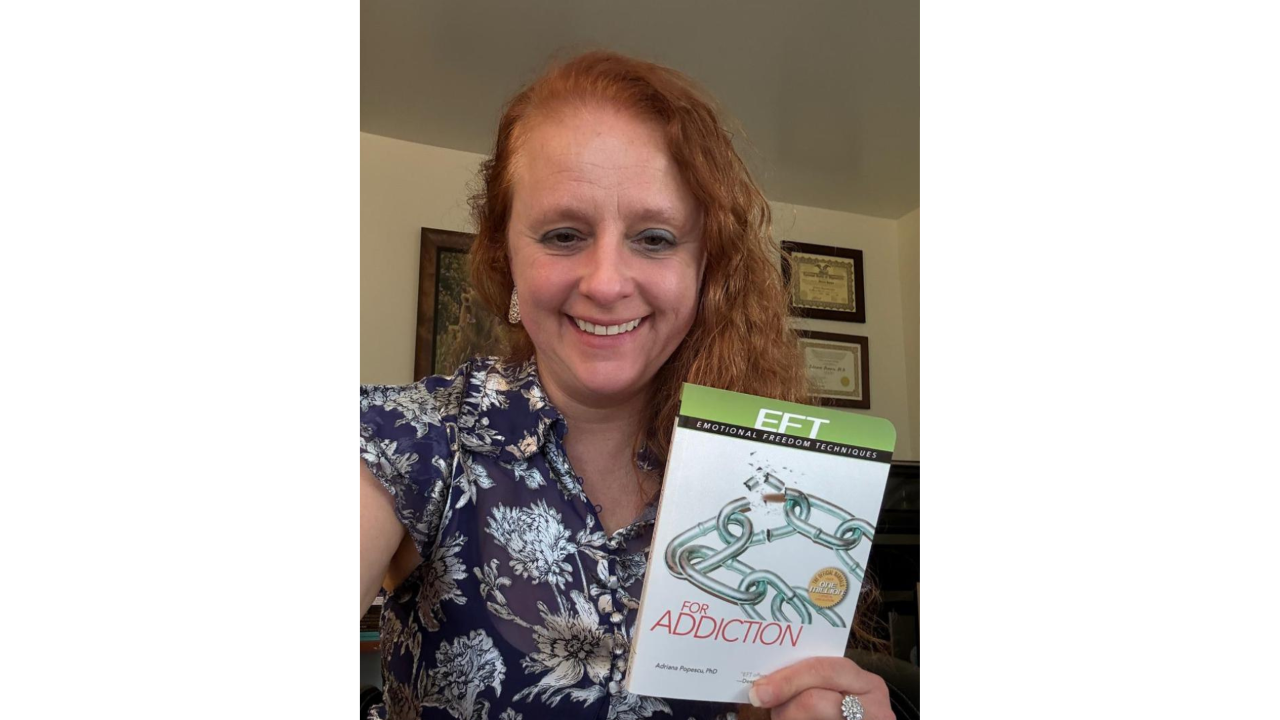
Holding the first copy of EFT for Addiction.
For more than 25 years, I have worked as a psychologist with people struggling with addiction and co-occurring mental health conditions. Many of them have desperately wanted to change.
They knew what their addiction was costing them. They understood the consequences and often felt terrible about the harm their behavior had caused. Some had been through treatment more than once and knew a great deal about addiction and recovery. Many could identify their triggers and explain exactly how the cycle worked.
But knowing what to do wasn’t always the problem.
The problem was what happened in the moment when they became overwhelmed. A craving hit. Something triggered a traumatic memory. Shame took over, or their anxiety became unbearable. Suddenly, all the reasons they wanted to stop seemed very far away. The immediate need for relief became the only thing they could think about.
In those moments, the thinking often sounded something like this:
“I can’t deal with this feeling. I need that drink, that smoke... It’s the only thing that will make me feel better.”
I have heard some version of that statement many times.
It was frustrating to watch, not because I thought my clients weren’t trying hard enough, but because many of them were trying incredibly hard. They knew better. They wanted better. Yet when their nervous system became overwhelmed, what they knew was no longer enough to change what they did.
That gap between knowing something is harmful and being able to choose differently is one of the main reasons I wrote EFT for Addiction.
I Knew Something Was Missing
Insight is important. I am a psychologist, and much of my training involved helping people understand themselves, recognize their patterns, and connect their current struggles to earlier experiences. That work has tremendous value.
But I kept seeing clients reach a point where intellectually understanding the pattern did not help them interrupt it. CBT and other thought-based forms of therapy are great when a person is calm and that part of their brain is online. In that state, my clients could explain why they were triggered, they could identify a distorted thought, and they knew the craving would eventually pass. When they were calm and rational, they would be more likely to make a wise choice and not engage in their addictive behavior.
The challenge was that when they would become emotionally triggered and their nervous system became activated by the fight-flight-freeze stress response, their bodies were reacting as if they were in life-or-death danger. In that moment, logic and reason would go out the window. They felt that they needed immediate relief from the distress and waiting it out or using other tools they had learned felt impossible.
I found myself asking: What can we do right now, while this person’s nervous system is activated?
Talking about the situation after the fact was not always enough. Telling someone to use better judgment certainly wasn’t enough. They needed something they could actually do while their emotions and physical reactions were drowning out what they knew.
This is where somatic, body-based approaches began to make a real difference in my work.
I had already been exploring Energy Psychology and other holistic methods during my own struggle with chronic health issues. Those experiences changed my understanding of healing. I came to see more clearly that we cannot always think or will our way out of something that is also happening in the body.
Emotional Freedom Techniques, commonly known as EFT or tapping, gave me a way to help clients work with what was happening physically while also addressing the thoughts and feelings triggering the addictive behavior.
We could start with whatever was true in that moment:
“Even though I really want to use right now…”
“Even though part of me doesn’t want to give this up…”
“Even though I feel like a failure for being back here again…”
There was no need to pretend the craving wasn’t there or cover it with a positive affirmation the person did not believe. We could acknowledge the reality of the experience and begin there.
A “Brilliant Strategy” That No Longer Works
Over the years, I also learned to ask a different question. Instead of only asking why someone continued to engage in such a destructive behavior, I began asking what that behavior was doing for them.
What did it give them, even temporarily?
Perhaps alcohol helped someone feel less anxious around other people. A drug might quiet a painful memory or make someone feel confident for a few hours. Gambling could provide excitement in a life that otherwise felt empty. The behavior might be the fastest way someone knew to escape loneliness or self-hatred.
My good friend and colleague TJ Woodward, author of Conscious Recovery, calls addiction a “brilliant strategy.” It changes how a person feels. It provides some sort of benefit, or why would they keep doing it? Unfortunately the repetitive use of the behavior often creates unintended negative consequences and new problems, and the strategy may no longer work to alleviate the original distress like it used to.
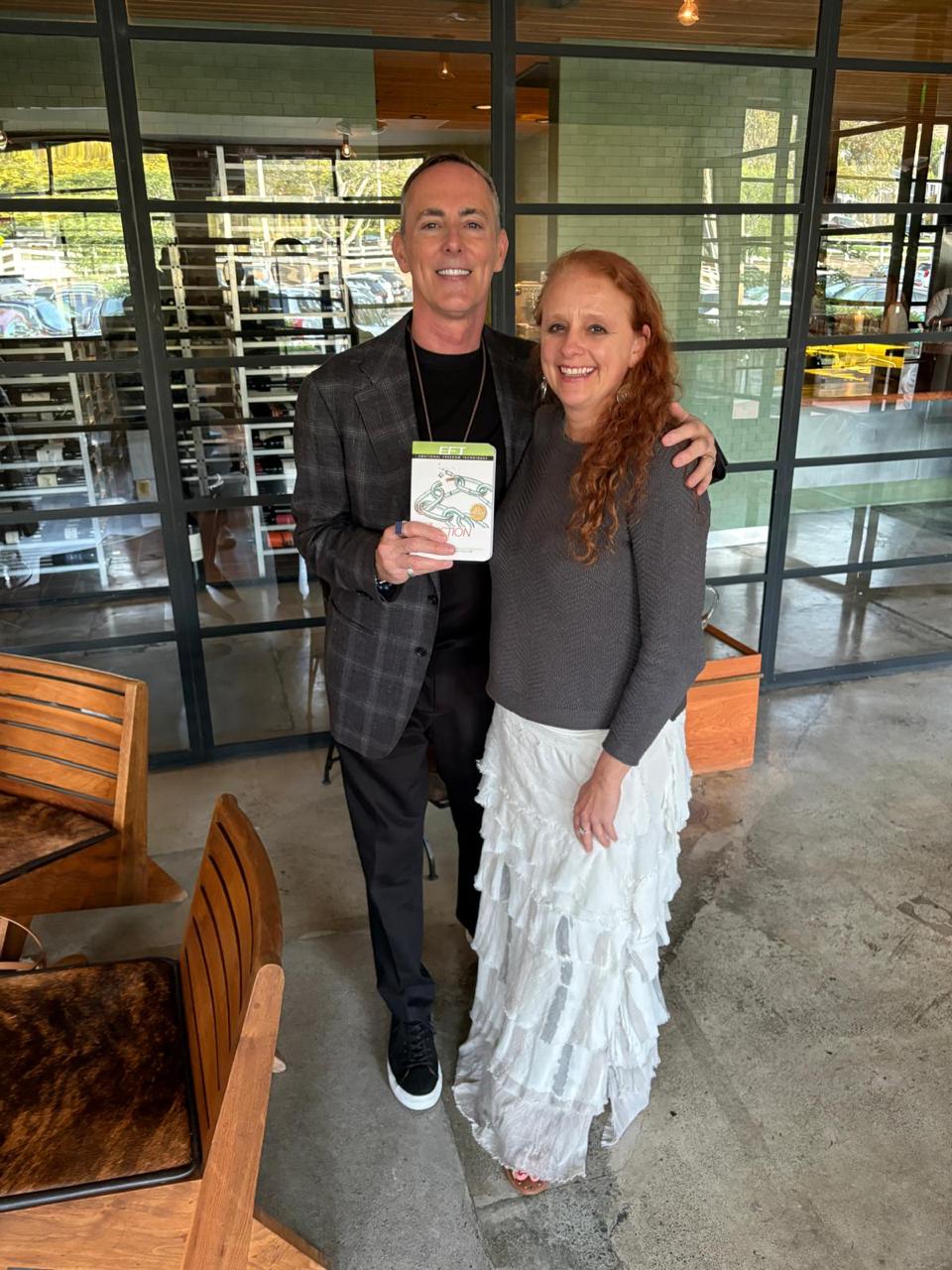
Me and TJ Woodward, author of Conscious Recovery
This is important to understand. If a substance or behavior has become someone’s fastest and most reliable way to change their internal state, removing it leaves a very real void. What will they do with the anxiety now? How will they sleep? What happens when the memories come back? How will they handle the belief that they don’t belong anywhere?
This does not excuse the behavior or remove personal responsibility. It helps us understand what else must be addressed if recovery is going to last. People need more than information about why addiction is harmful. Most already know that. They need another way to cope when the pain shows up.
As I incorporated EFT into my work, I saw clients become more able to stay present with feelings they had previously needed to escape. Sometimes we tapped on an immediate craving. Other times, we worked with the fear of what might happen if they stopped using.
We also worked with ambivalence, something I believe is often misunderstood in recovery. A person can genuinely want to stop while another part of them is terrified to lose the one thing that has helped them cope. Both can be true at the same time.
This made much more sense to me once I stopped viewing it simply as resistance. That word can make a client sound uncooperative, as if they just aren’t trying hard enough. But what if the part that does not want to give up the addiction believes it is protecting them, keeping them safe? What if it remembers a time when the substance or behavior was the only relief they had?
Approaching that conflict with nonjudgment and curiosity can open up a very different conversation. Instead of fighting or shaming the part that still wants to use, we can find out what it is afraid of and what it needs.
I began to see people relate to themselves differently. Clients who had carried shame for decades started to question the belief that they were permanently damaged. Some discovered that a craving could come and go without needing to act on it. Others finally understood behaviors that had baffled them for years once the connection to unresolved trauma became clear.
These changes did not happen because EFT was a magic solution. It isn’t. Addiction treatment is complex, and no single method is right for everyone. Recovery requires holistic interventions that address the physical, mental, emotional, and spiritual aspects of addiction.
EFT gave us another possibility for shifting the energies driving the addictive behaviors.
Why I Wrote the Book
There are many books about addiction, and there are also books that teach EFT. I wanted to bring those two worlds together.
I wanted to write honestly about what keeps an addiction in place, including the internal parts that may still experience it as necessary. I wanted readers to understand why shame so often fuels the behavior it is supposed to prevent. And I wanted to offer something practical for the times when a craving or emotional trigger makes clear thinking difficult.
Most of all, I wanted the book to be useful; a book and workbook combined. That meant including tapping practices people could follow, not just an explanation of theory. I wrote it for people in recovery, but also for the loved ones and professionals trying to support them. I was equally clear that EFT is a complementary approach. It is not a substitute for medical care, medically supervised withdrawal, or other necessary addiction treatment.
My hope is that EFT for Addiction gives people another resource for the moments when knowing better or white-knuckling thorough the discomfort doesn’t feel like enough.
I also hope it helps challenge the belief that people are their addictions. They are not the worst thing they have done. They are not the number of times they have returned to use. Often, they are people who found a way to survive, even when that way eventually caused more suffering. Recovery asks them to find another way, and that does not typically happen all at once.
With the use of empowering tools like EFT, I have watched people who felt hopeless begin to reconnect with their authentic selves. I have seen them address old wounds, rebuild their lives, and discover that they are capable of making different choices. Their progress was not always a straight line, but with consistent use of the tools and commitment to a different possibility, it happened.
That is why I wrote this book, and it is what I want more people to know.
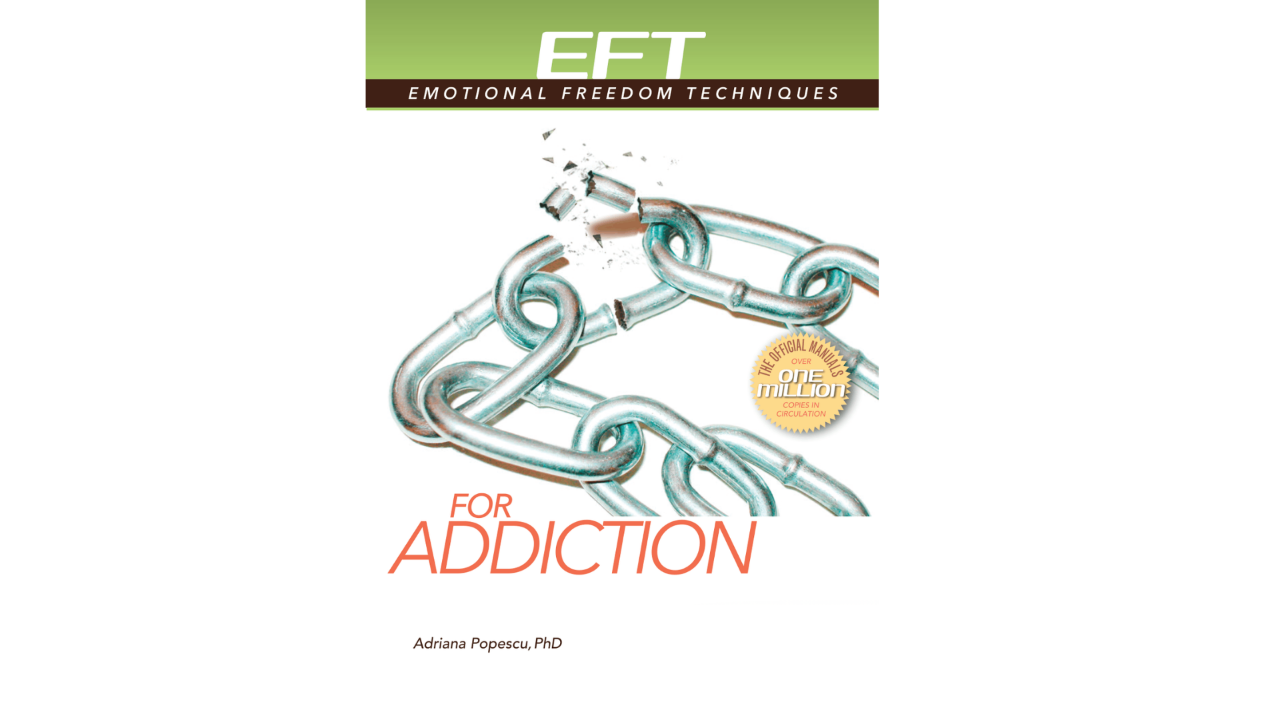
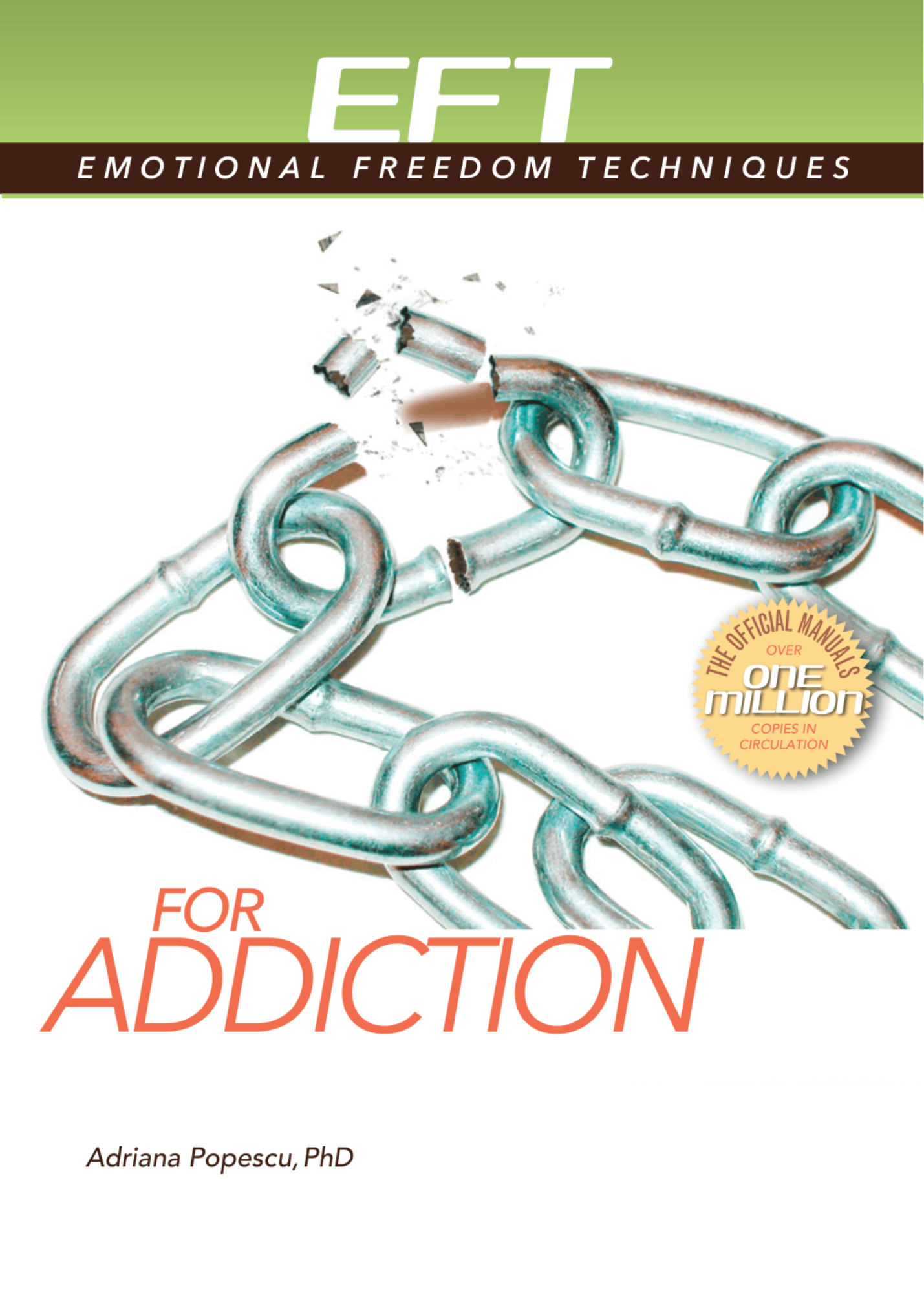 EFT for Addiction will be available September 8 on Amazon.
https://www.amazon.com/dp/1604153164